Guide 03
Why your shower is disappointing — and what actually fixes it.
Nine times out of ten a poor shower is not the shower. It is the way the house makes and delivers hot water. Here are the three systems a British house uses, what a pressurised cylinder really changes, and the safety controls a correct unvented installation must have.
Three ways a house makes hot water
Before anybody sells you a new shower, work out which of these you have. It will usually explain the problem on its own.
Combi boiler
What it does well
No cylinder, no loft tank, hot water on demand at mains pressure. Ideal for a flat or a one-bathroom house where two outlets are rarely running at once.
Where it falls down
Flow rate is limited by the boiler, and it is shared. Run the shower and the kitchen tap together and both suffer. A big house with two bathrooms is usually asking a combi to do something it was never designed for.
Vented (gravity) cylinder
What it does well
The traditional British arrangement: a copper cylinder fed by a cold tank in the loft. Simple, tolerant, and the cylinder can be heated by almost anything.
Where it falls down
Pressure comes from the height of the loft tank, which is why upstairs showers dribble and a pump gets bolted on to compensate. It also means two tanks in the loft and a lot of pipework you cannot see.
Pressurised (unvented) cylinder
What it does well
The cylinder is sealed and fed straight off the mains, so every outlet runs at mains pressure. Excellent flow rates at the shower and the bath, no header tank in the loft, no booster pump, and the loft space comes back. More than one outlet can be run at once without the house noticing.
Where it falls down
It needs a genuinely adequate incoming mains supply, it needs space for the cylinder, and it must be installed with a full set of safety controls by someone competent to do it. It is not a like-for-like swap you can decide on over the phone.
Unvented cylinders
The controls that have to be there — and serviced.
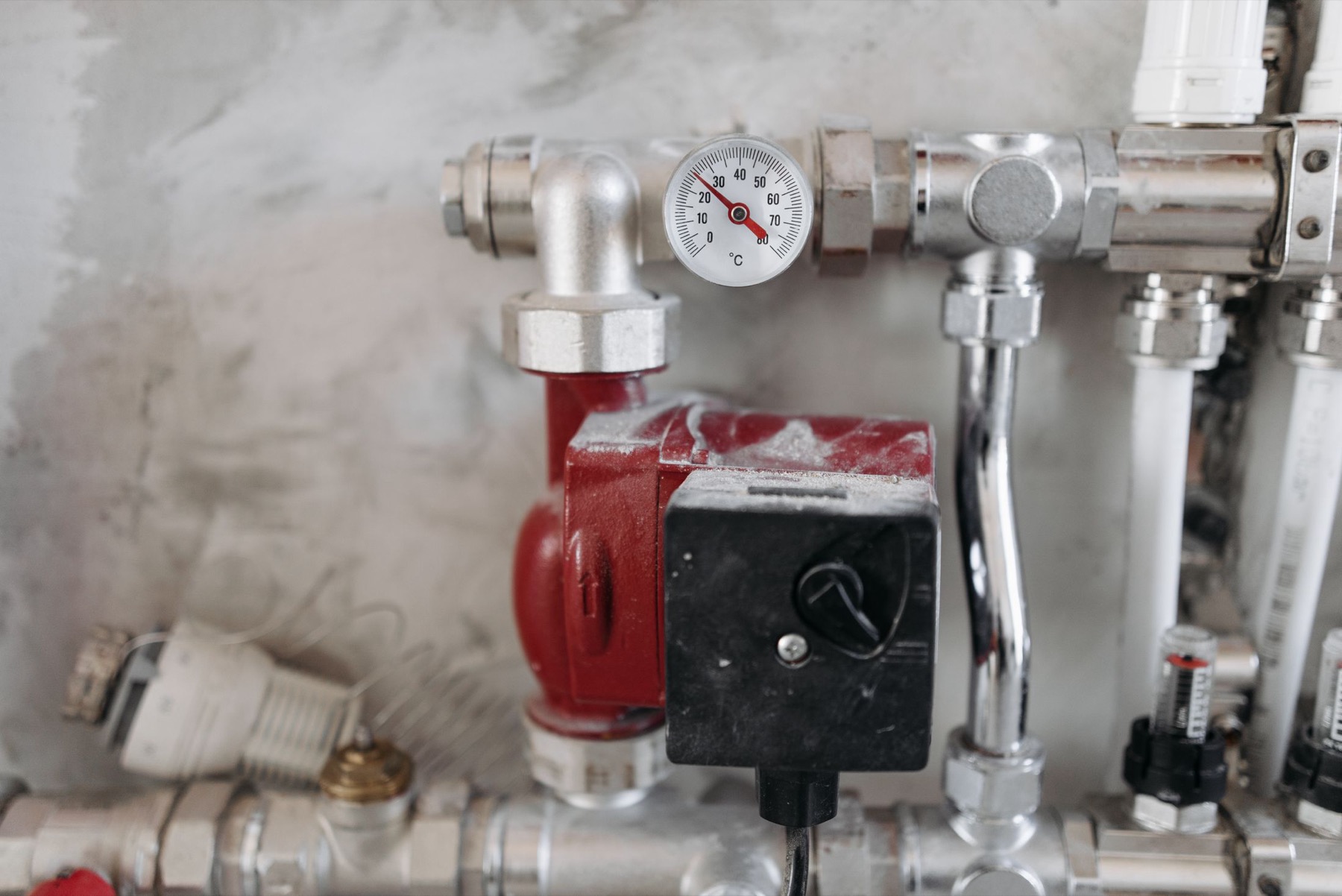
A pressurised cylinder is a sealed vessel full of very hot water at mains pressure. That is why the safety package is not optional and why the installation is notifiable work. It is also why an unvented cylinder should be serviced: most faults show up in these components long before the cylinder itself.
- Expansion vessel
- Water expands as it heats. In a sealed cylinder that expansion has to go somewhere, and the vessel is where. A flat or wrongly charged vessel is the most common fault found on an unvented system that nobody has serviced.
- Pressure-reducing valve
- Sets the working pressure the cylinder and the outlets actually see, rather than whatever the street main happens to be doing that day.
- Temperature and pressure relief valve
- The safety device of last resort, fitted directly to the cylinder, which opens if temperature or pressure ever runs away.
- Expansion relief valve
- Protects against over-pressure on the cold side, discharging through the tundish if the expansion vessel ever fails.
- Tundish and discharge pipe
- The visible air break that tells you a relief valve has operated, with a correctly sized and routed discharge run to a safe, visible place outside. Getting this pipe run right is a large part of why the job has to be surveyed.
Before you commit
Four questions that decide the answer
What is your incoming mains actually delivering?
Not what the water company says — what arrives at your stopcock, measured. An unvented cylinder can only give you the flow the main gives it. This is a ten-minute test and it should happen before anyone quotes.
How many outlets might run at once?
Two showers on a weekday morning is a completely different requirement from one bathroom. It sets the cylinder size and it is the question a combi usually fails.
Where can the cylinder live, and where can it discharge?
It needs a sensible location and a discharge route from the tundish to somewhere safe and visible outside. Airing cupboards are the usual home, but the discharge run is what rules positions in or out.
How is it being heated?
A system boiler, an immersion as backup, or both. If underfloor heating is also on the cards, the way the cylinder and the heating circuits are arranged wants deciding at the same time rather than a year apart.
Poor shower, or a cylinder that has never been looked at?
Both are ordinary weeks here. Ring the landline and describe what happens when you turn the shower on — it usually narrows it down before anyone travels.